The living room is the heart of any home—a place where families gather, friends socialize, and moments of relaxation unfold. While style and aesthetics are important, functionality is equally essential to create a space that is both beautiful and practical. Designing a functional living room means optimizing the layout, maximizing storage, and ensuring comfort without compromising on visual appeal. Here are ten functional living room ideas that can transform your space into a harmonious blend of style and usability.
1. Multipurpose Furniture
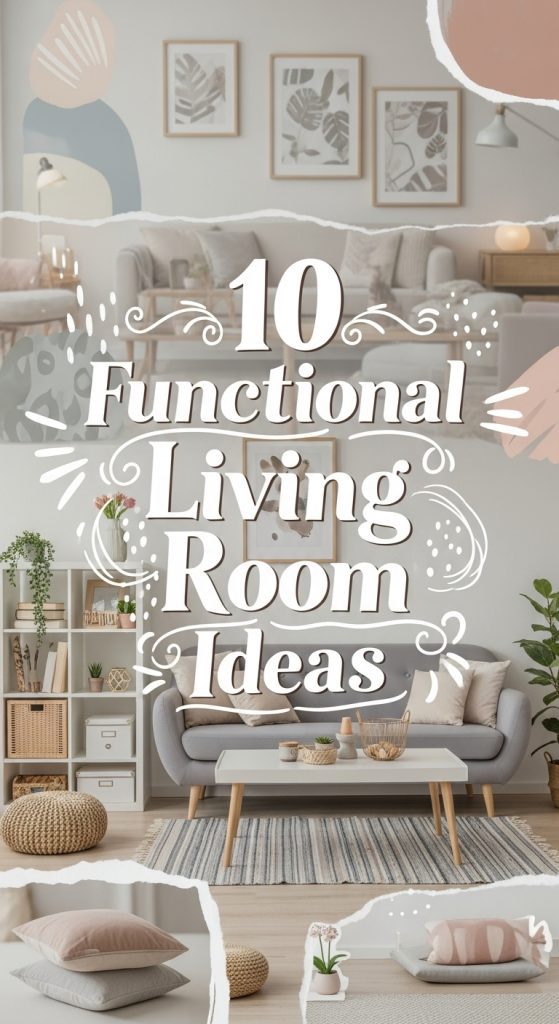
One of the easiest ways to enhance functionality is by incorporating multipurpose furniture. Items like storage ottomans, sofa beds, and nesting tables can serve multiple roles. For example, a storage ottoman doubles as a coffee table and a place to tuck away blankets, magazines, or toys. Similarly, a sofa bed can offer an additional sleeping option for guests without taking up extra floor space. Choosing furniture that serves more than one purpose allows you to maintain a clean, organized living room without clutter.
2. Built-in Storage Solutions
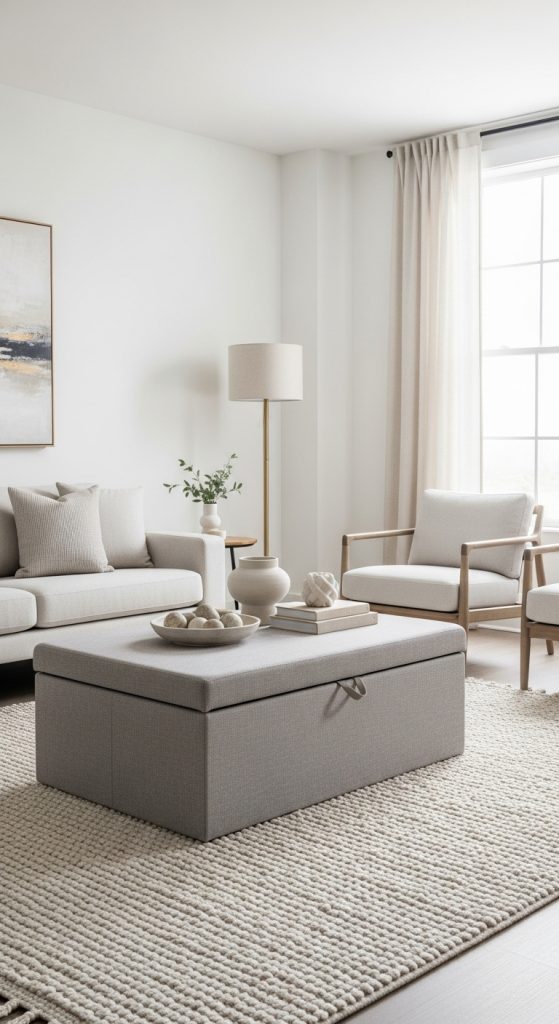
Built-in shelving and cabinets can dramatically improve living room functionality while adding a seamless aesthetic. Consider installing floor-to-ceiling shelves, recessed wall cabinets, or custom bookcases that frame the TV. These solutions provide ample space to store books, electronics, decorative pieces, and everyday essentials. The key is to balance open and closed storage: open shelves allow for display items, while closed cabinets hide clutter and maintain a tidy appearance.
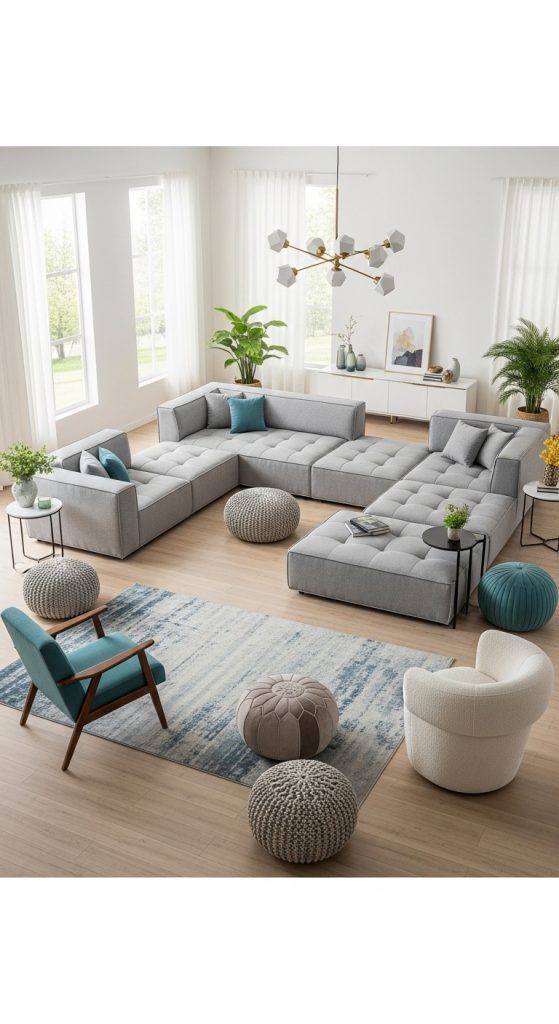
3. Modular Seating Arrangements
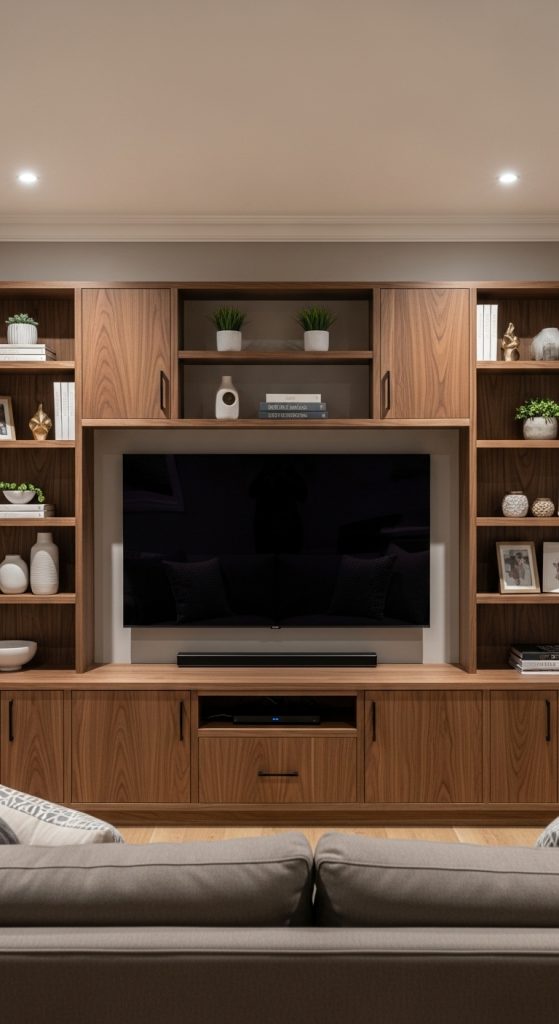
Flexibility is key in a functional living room, and modular seating offers exactly that. Modular sofas consist of separate pieces that can be rearranged according to the occasion or number of guests. Whether you want a cozy corner for movie nights or a more open layout for entertaining, modular seating can adapt to your needs. Complement this with a mix of armchairs and poufs to create versatile seating options without crowding the room.
4. Smart Lighting
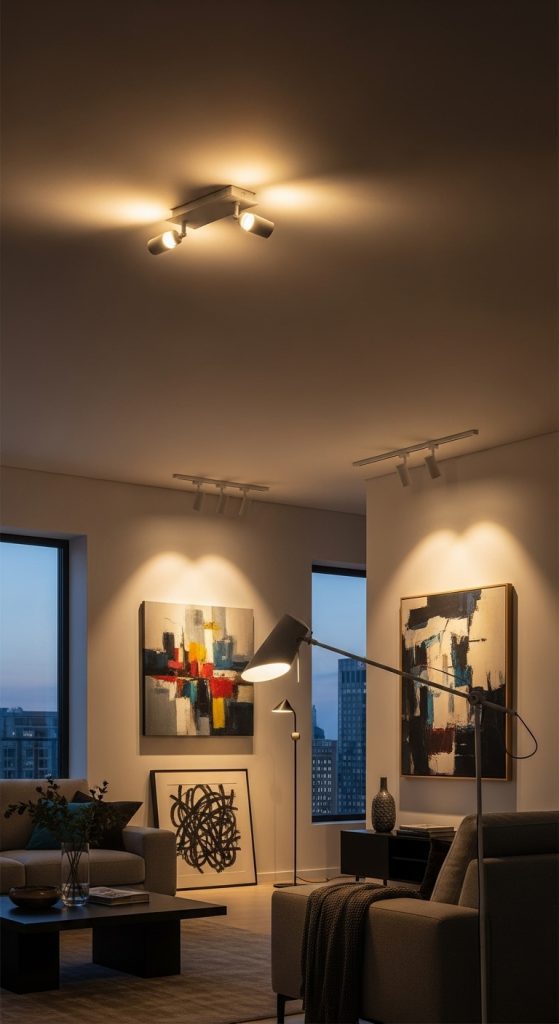
Lighting affects both the ambiance and usability of a living room. Layering different types of lighting—ambient, task, and accent—ensures the space can adapt to various activities. For instance, dimmable ceiling lights provide general illumination, floor or table lamps can be used for reading, and accent lighting highlights artwork or architectural features. Integrating smart lighting systems allows you to control brightness, color temperature, and even schedule settings for different moods or times of the day.
5. Zone Your Space
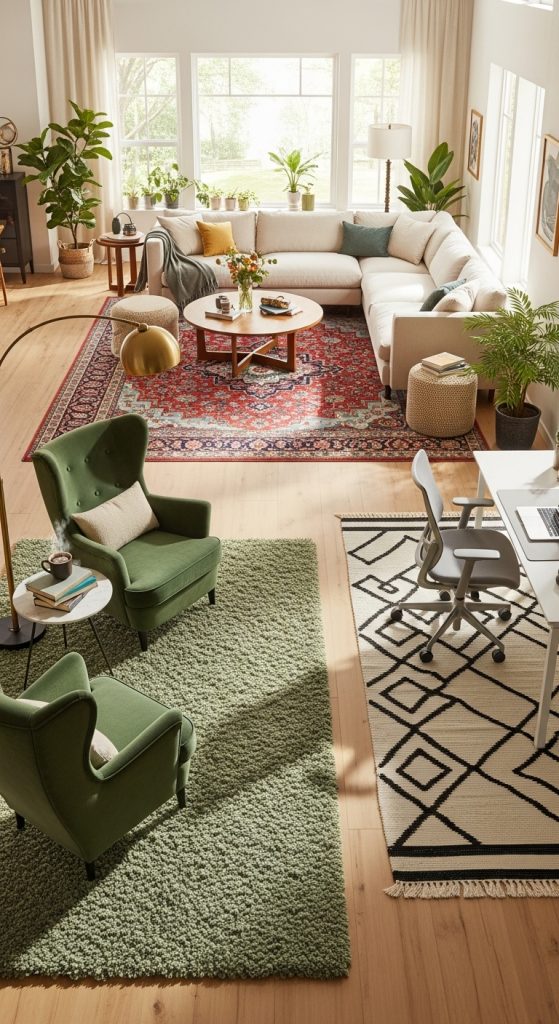
Creating functional zones within a living room can optimize how the space is used. A single room can accommodate different activities such as lounging, reading, working, or playing. Use rugs, furniture placement, or room dividers to define each area. For instance, a cozy corner with a reading chair and lamp can serve as a quiet retreat, while a central seating area with a coffee table and sofa provides space for conversation and entertainment.
6. Declutter and Organize
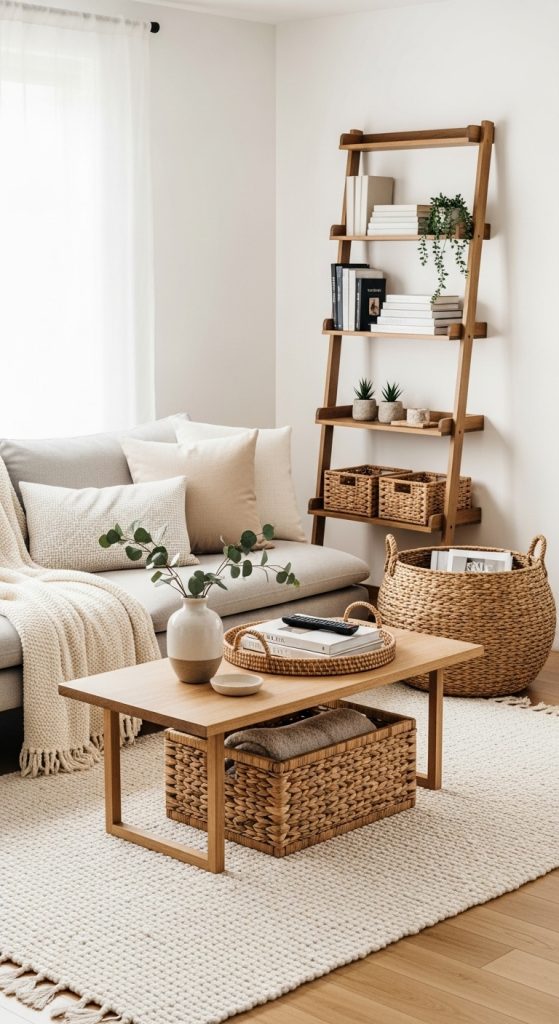
A cluttered living room quickly becomes dysfunctional. Using baskets, trays, and organizers helps maintain order while keeping essential items accessible. Regularly decluttering and storing items that are not in daily use ensures the living room remains inviting and comfortable. For a minimalist approach, select a few statement décor pieces instead of crowding shelves and surfaces, which also enhances the feeling of spaciousness.
7. Incorporate Technology Thoughtfully
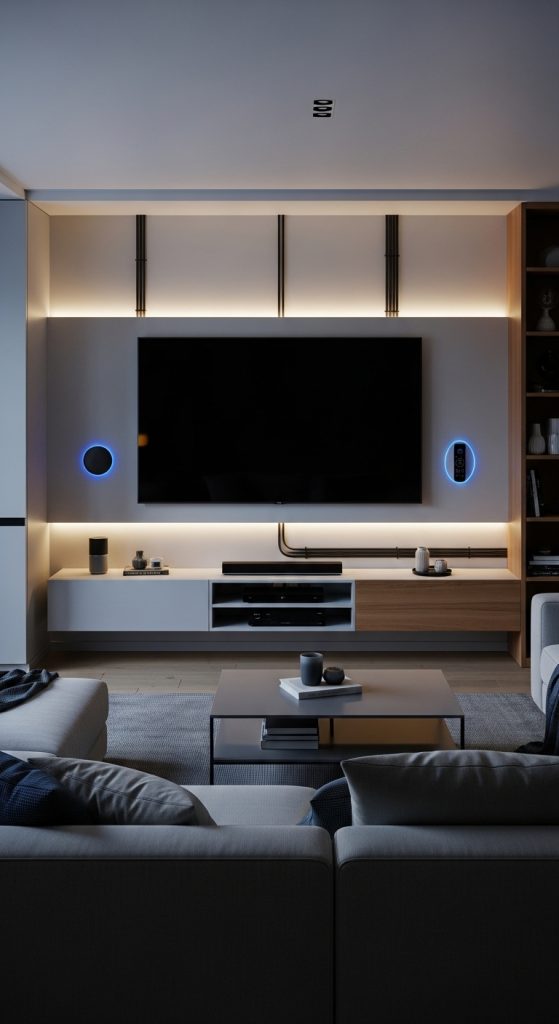
Modern living rooms often double as entertainment hubs. Integrating technology without disrupting the room’s flow is essential for functionality. Conceal cords, invest in a media console with built-in cable management, and choose furniture designed to accommodate electronic devices. Smart home devices like voice assistants or wireless charging stations can also streamline daily routines, making your living room both high-tech and user-friendly.
8. Maximize Natural Light
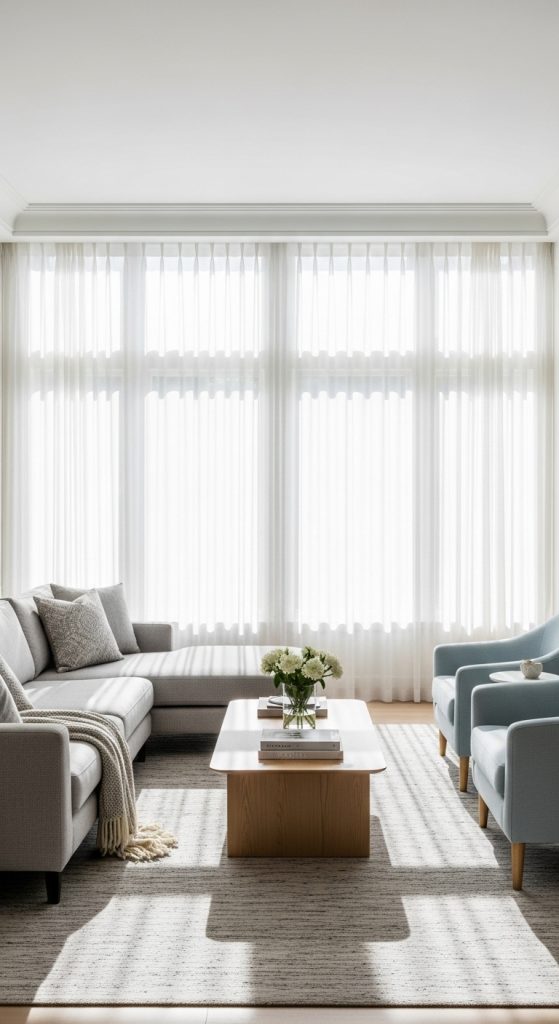
Natural light is a powerful functional and aesthetic element. Large windows, sheer curtains, and strategically placed mirrors can enhance the brightness of the room while creating the illusion of more space. Sunlight not only makes a room feel airy and inviting but also supports mental well-being. Consider the placement of seating near windows for reading or lounging, and use light, reflective colors on walls and furniture to amplify the effect of natural light.
9. Flexible Storage Furniture
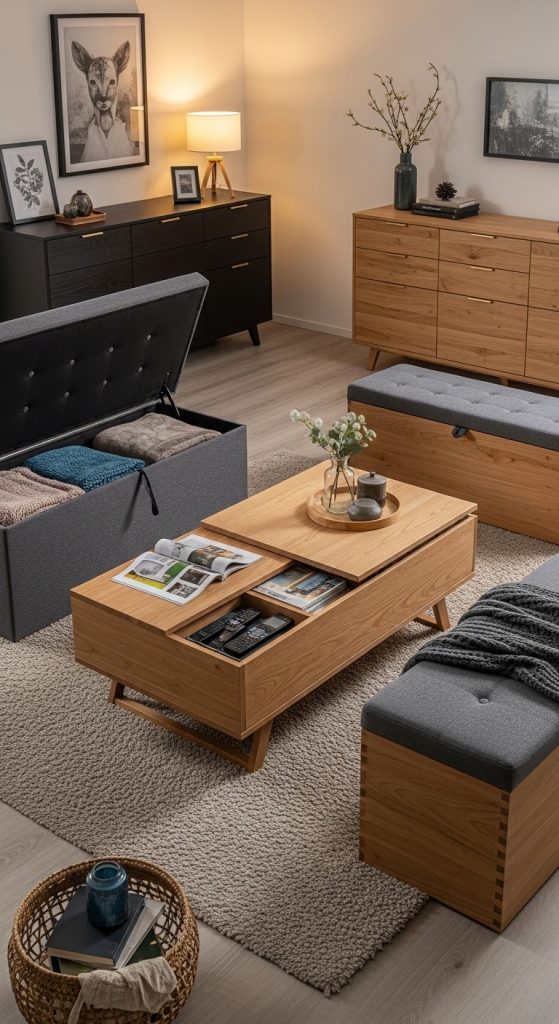
Beyond built-ins, flexible storage furniture is essential for adaptability. Coffee tables with drawers, sideboards, or consoles with hidden compartments can accommodate seasonal items, games, or electronics. For small living rooms, consider furniture that doubles as storage benches or lift-top tables. This approach maintains a clean aesthetic while ensuring that essential items are easily accessible without overcrowding the space.
10. Comfort Meets Functionality
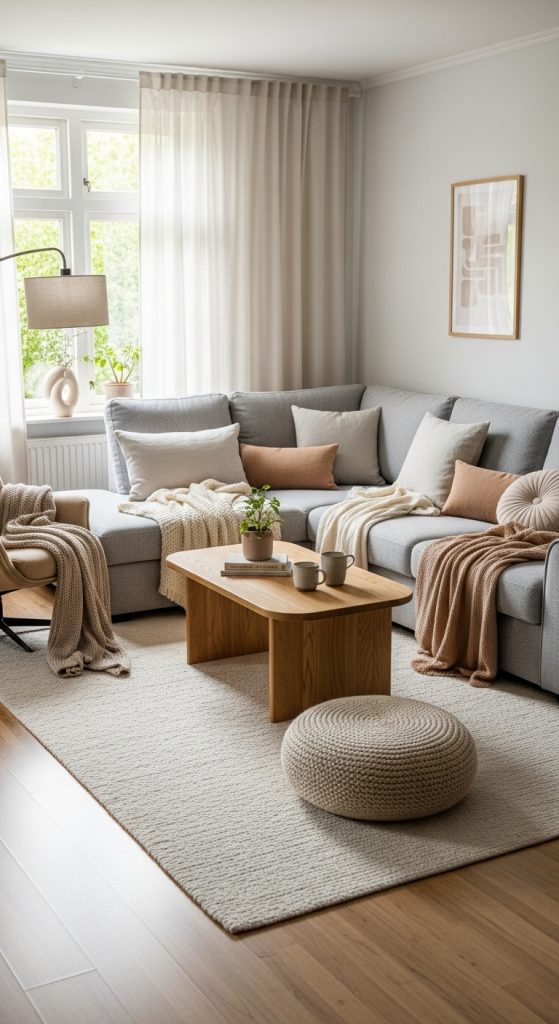
Finally, comfort is a crucial aspect of functionality. Ergonomic furniture, supportive cushions, and cozy throws create a welcoming atmosphere where people actually want to spend time. Prioritize seating that balances style with comfort, and include textiles that are easy to maintain. A living room should feel inviting for daily use and practical for hosting gatherings, achieving a perfect blend of usability and relaxation.
Conclusion
Creating a functional living room doesn’t mean sacrificing style. By thoughtfully selecting furniture, optimizing storage, enhancing lighting, and zoning the space for multiple purposes, you can design a living room that is both beautiful and practical. These ten functional living room ideas provide a roadmap for transforming your space into a hub of comfort, efficiency, and aesthetic appeal. Remember, functionality is about improving daily life, so tailor these ideas to fit your family’s lifestyle, personal taste, and spatial requirements.